

5,433 Deaths as Health Workers Face Attacks
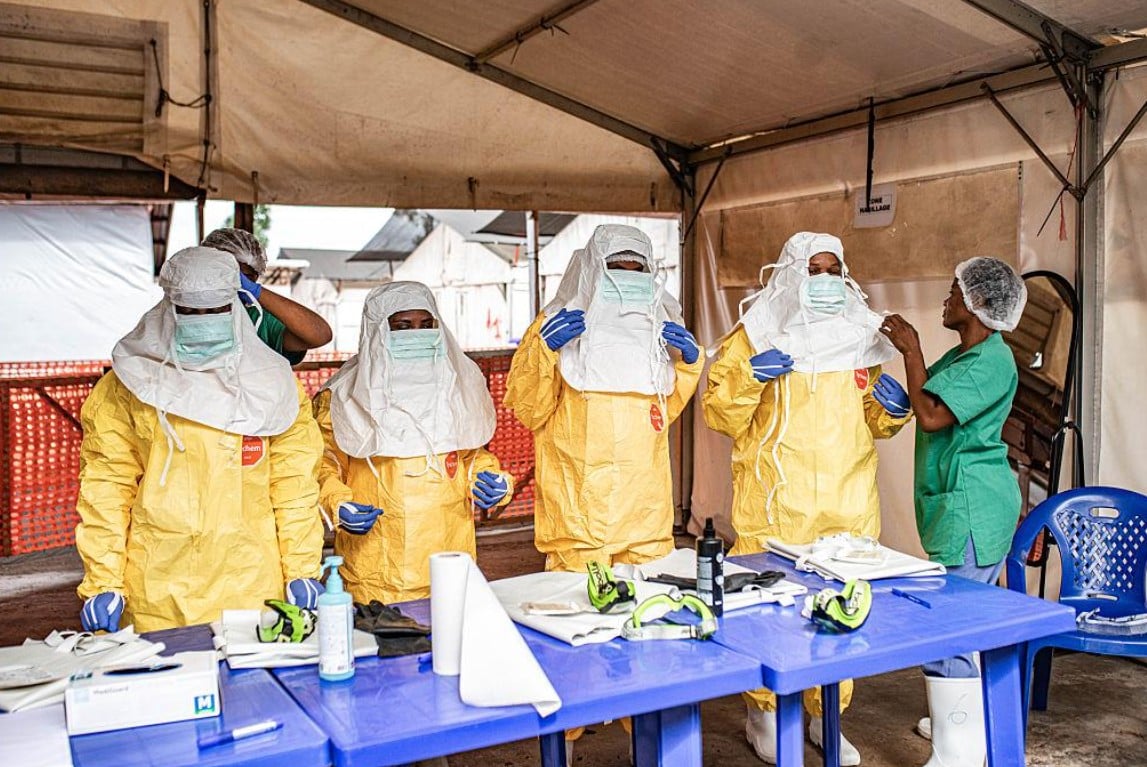
Six months after the Democratic Republic of Congo (DRC) declared its latest Ebola outbreak, health authorities are still struggling to bring the virus under control. The situation is becoming increasingly worrying as infections continue to rise, medical facilities face serious shortages and attacks on health workers disrupt efforts to contain the disease.
The outbreak, caused by the Bundibugyo strain of the Ebola virus, has become one of the most serious public health emergencies currently facing Africa. According to figures released by the Congolese government and reported by Reuters on November 12, the country has recorded 11,114 infections and 5,433 deaths since the outbreak was declared on May 15, 2026.
The international medical organisation Médecins Sans Frontières (MSF), also known as Doctors Without Borders, has warned that the outbreak remains out of control, with many infections potentially going undetected.
Attacks on Health Workers Are Making the Crisis Worse
One of the biggest challenges facing the Ebola response is insecurity in affected communities. Medical workers who are supposed to identify infections, provide treatment and prevent further transmission are increasingly operating under dangerous conditions.Africa Centres for Disease Control and Prevention (Africa CDC) officials reported four armed attacks, 16 assaults on responders and 11 health facilities that were burned or otherwise targeted.
A particularly deadly incident occurred last week in Cantine-Aloya, in North Kivu province. According to Africa CDC, an attack by the Allied Democratic Forces (ADF), an armed group linked to Islamic State, killed 66 people, including three health workers.
The consequences have extended beyond the immediate loss of lives. More than 1,000 contacts of infected people were reportedly lost to follow-up, while three confirmed Ebola patients remained unaccounted for. These developments make it harder for health authorities to trace possible infections and identify people who may have been exposed to the virus. They also reduce the ability of medical teams to reach communities that urgently need assistance.
World Health Organization (WHO) Director-General Tedros Adhanom Ghebreyesus has described insecurity as one of the greatest obstacles to the Ebola response.
Why Is the Outbreak Still Spreading?
Beyond the security situation, health organisations say weaknesses in the medical response are allowing the virus to spread.
MSF has raised concerns about unpaid or inadequately trained health workers, shortages of essential supplies and ambulances that cannot operate because of fuel shortages. These problems are affecting the ability of frontline teams to respond quickly to suspected infections.
Another major concern is that many infected people may never be identified by the surveillance system.
British epidemiologist Neil Ferguson, who has been involved in modelling the outbreak, estimates that health authorities may be detecting only about half of the infections occurring. His team estimates that between 2,000 and 3,000 Ebola patients may currently be in the country.
The situation is particularly worrying in Ituri province, where MSF reported that only 9% of Ebola patients treated by its teams were known contacts of previously identified cases. This suggests that the virus is spreading beyond the networks of people already being monitored by health authorities.
MSF has also reported that nearly two-thirds of Ebola-related deaths over the previous month occurred in communities rather than treatment centres. This raises concerns about delayed diagnosis, limited access to medical care and the possibility that infected people are dying before receiving appropriate treatment.
What Makes the Bundibugyo Ebola Strain Different?
The current outbreak is caused by Bundibugyo virus, a relatively rare species of Ebola virus. Ebola is a severe disease that can cause fever, weakness, vomiting, diarrhoea and, in serious cases, internal and external bleeding. It spreads through direct contact with the blood or other bodily fluids of an infected person, or with contaminated materials. One major difficulty with the current outbreak is that there is no approved vaccine or specific treatment for the Bundibugyo strain.
This does not mean that patients cannot receive medical care. Supportive treatment, including fluid replacement, management of symptoms and careful monitoring, can improve the chances of survival. However, the absence of an approved strain-specific vaccine and treatment makes prevention and early detection especially important.
The WHO has continued to call for stronger surveillance, improved infection prevention and control, community engagement and better access to healthcare in affected areas.
Could the Outbreak Become Even Bigger?
Health experts are concerned that the current situation could continue for months if the response does not improve.
Neil Ferguson has warned that transmission could still be ongoing a year from now and that the outbreak could potentially surpass the 2014–2016 Ebola epidemic in West Africa, which recorded more than 28,600 cases and over 11,000 deaths.
That remains a projection, not a confirmed outcome. However, it demonstrates the level of concern among experts monitoring the situation.
The challenges facing Congo also extend beyond its borders. The WHO has emphasised the importance of cross-border surveillance and regional preparedness, particularly because people travel between affected areas and neighbouring countries.
For African countries, the outbreak is a reminder that infectious diseases do not respect national borders. Early detection, reliable health systems and cooperation between governments are essential to preventing further spread.
The Road Ahead
The fight against Ebola in Congo is no longer only about having medical teams and treatment centres in place. It also requires protecting health workers, restoring public confidence, supplying hospitals and ensuring that response resources reach the communities that need them.
International organisations have mobilised support, but MSF says the assistance available is not consistently reaching frontline workers.
Until surveillance improves and medical teams can safely access affected communities, controlling the outbreak will remain extremely difficult.
For now, Congo faces a critical public health challenge. The coming weeks will be important in determining whether authorities can strengthen the response, identify more infections and prevent the crisis from becoming even more severe.
Editorial note: Statistics in this article reflect reports available on November 12, 2026. Case and death totals may change as authorities update and verify their records. Expert projections are identified as projections, not established outcomes.

Leave a Reply